
Tinnitus—that persistent ringing, buzzing, or humming in your ears—affects millions of people and can significantly impact your quality of life. While there's no universal cure, effective management strategies can reduce its impact and help you regain control. At All About Hearing, we provide personalized tinnitus evaluations and treatment plans designed to address your specific symptoms and lifestyle needs, helping you find relief from the constant noise.
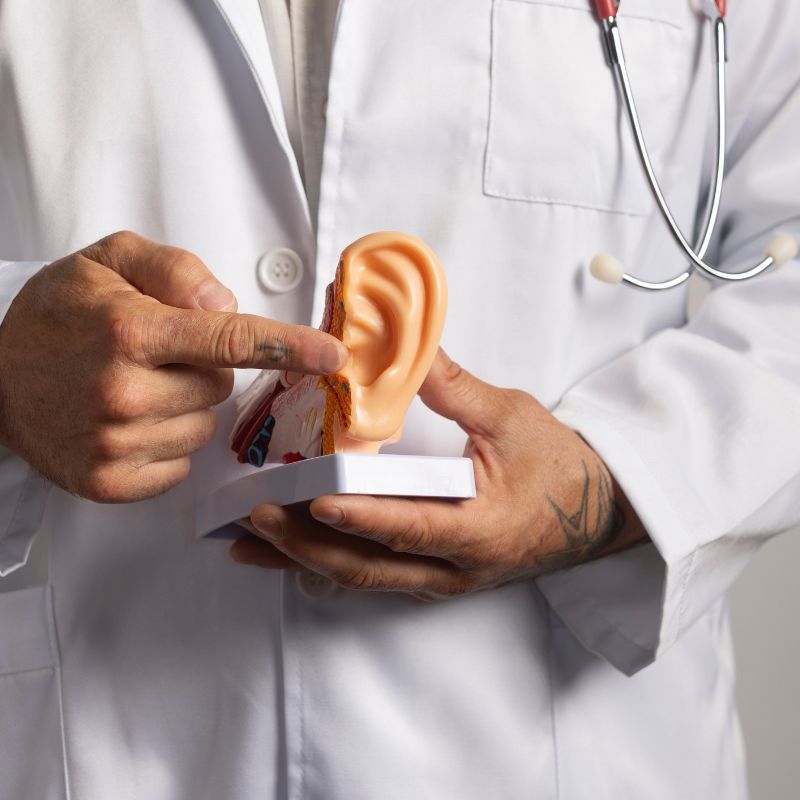


Understanding Your Tinnitus
The experience of tinnitus varies from person to person. Some hear a high-pitched ringing, while others describe roaring, clicking, or hissing sounds. These phantom noises can be constant or intermittent, and their intensity may fluctuate throughout the day. Through a thorough evaluation, we'll identify the characteristics of your tinnitus, assess any underlying hearing loss, and develop a management plan tailored to your situation. Our team works closely with you to understand how tinnitus affects your daily activities, sleep patterns, and emotional well-being.
Types of Tinnitus
Subjective Tinnitus
This is the most common form, where only you can hear the sounds, often relating to hearing loss, noise exposure, or changes in the auditory system.
Objective Tinnitus
A rare form that can be heard by your audiologist during examination, typically resulting from vascular conditions, muscle contractions, or structural changes in the ear.
Pulsatile Tinnitus
This rhythmic sound matches your heartbeat and often indicates blood flow changes near the ear that may warrant medical evaluation.

Tinnitus Management Strategies

Sound Therapy: We use various sound enrichment techniques to reduce the contrast between tinnitus and silence, including hearing aids with built-in masking features, white noise machines, or specialized tinnitus therapy programs.

Hearing Aid Treatment: Modern hearing aids amplify external sounds, which can make tinnitus less noticeable and help your brain refocus on environmental sounds rather than internal noise.

Tinnitus Retraining Therapy (TRT): This approach combines sound therapy with counseling to help your brain reclassify tinnitus as a neutral, non-threatening sound that becomes easier to ignore over time.

Lifestyle Modifications: We provide guidance on factors that can worsen tinnitus, such as caffeine intake, stress levels, and noise exposure, to help you minimize symptom severity.

Stress Management Techniques: Since stress often intensifies tinnitus perception, we discuss relaxation strategies to help break the cycle of anxiety that amplifies tinnitus awareness.
Schedule Your Tinnitus Evaluation
Living with constant noise in your ears doesn't have to be your reality. If you're experiencing tinnitus or want to explore treatment options, schedule an evaluation with us today. Simply fill out the form, and one of our team will be in touch as soon as possible.
Don't want to wait? Call us at: (432) 689-2220
While some cases resolve on their own, many people experience persistent tinnitus. The goal of treatment focuses on reducing your awareness and reaction to the sounds rather than eliminating them entirely. Most patients find that with proper management, tinnitus becomes significantly less bothersome over time.
Yes, hearing aids can be highly effective for tinnitus management. By amplifying external sounds, they reduce the prominence of tinnitus and provide relief throughout the day. Many modern hearing aids include specific tinnitus therapy features such as sound generators and customizable relief sounds.
The timeline varies depending on the management approach and individual factors. Some people notice improvements within weeks, while others may need several months of consistent treatment. We'll monitor your progress and adjust your treatment plan to optimize results.
Most tinnitus cases relate to hearing loss or noise exposure and don't indicate serious health problems. However, sudden onset tinnitus, pulsatile tinnitus, or tinnitus accompanied by dizziness or hearing loss in one ear should be evaluated promptly to rule out underlying conditions.
Coverage varies by plan, but many insurance policies cover diagnostic evaluations and treatment when prescribed by a hearing care professional. Our insurance team can review your benefits and help you understand what services your plan covers.
FAQs About Tinnitus Treatment
Can't find an answer?